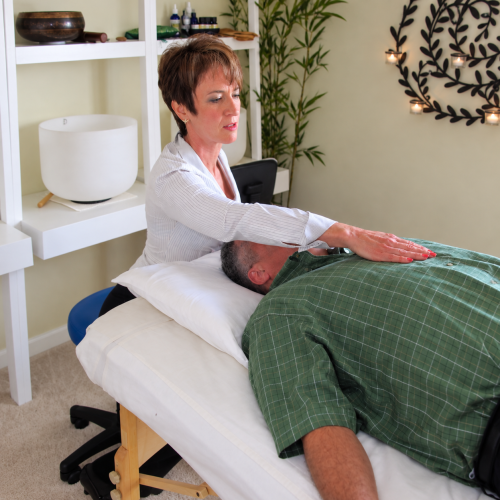
What Does Reiki Feel Like? A First-Time Guide to Reiki Healing
July 29, 2026
Grief vs. Depression: Understanding Your Pain and How to Heal
September 7, 2026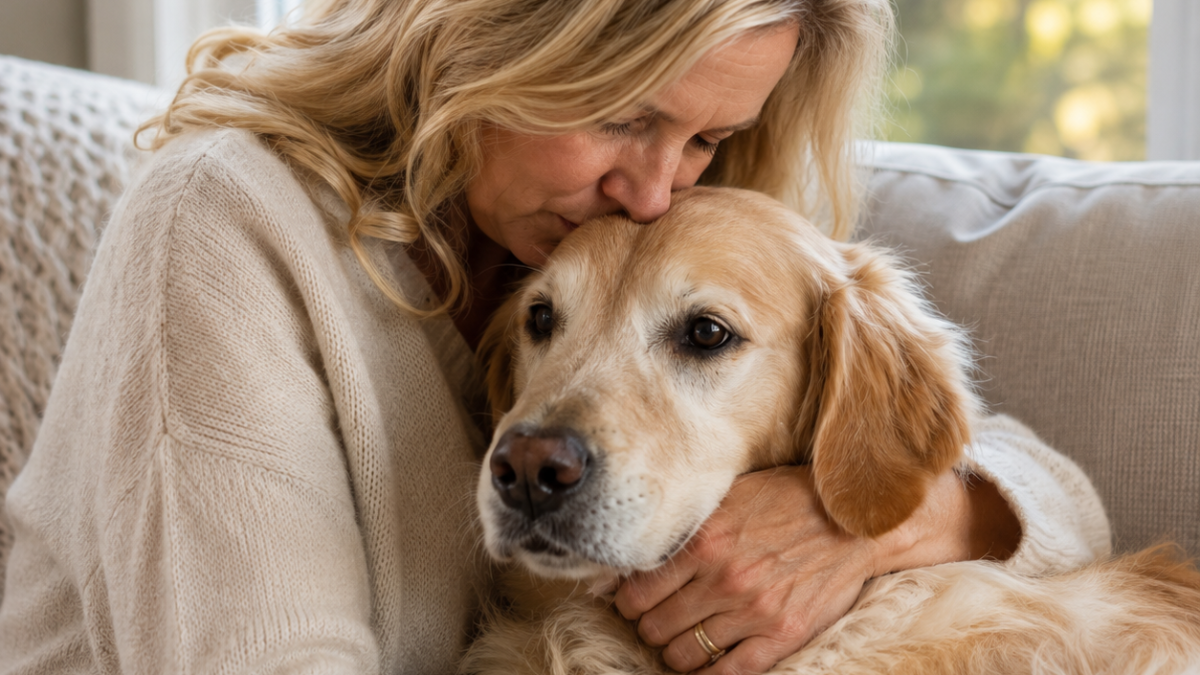
Pet Grief | Losing a Dog | Losing a Cat | Energy Healing | Reiki | Grief | Healing after Losing a Dog
Losing a beloved dog or cat, pet grief, can be one of life’s most profound losses. They aren’t “just a pet.” They are family, best friend, loyal companion, exercise partner, daily routine, source of unconditional love, and often the one being who is always happy to see you.
If your grief feels overwhelming, you aren’t going crazy. You’re experiencing the loss of a deep attachment. Grief doesn’t just affect your emotions—it changes your brain, activates your nervous system, and can be felt throughout your entire body.
I understand that pain personally. When my beloved dog, Jasmine, died after 14 wonderful years together, it felt like a part of me went missing. She traveled with me, celebrated life’s milestones, and filled my days with unconditional love. Through my own healing journey, I discovered something beautiful: although the pain gradually softened, the love never left.
The good news is that what you’re experiencing is a normal response to profound loss. Understanding what’s happening inside your body, mind, emotions, and spirit can help you move through grief with greater compassion, hope, and peace. My hope is that this article helps you take the first gentle steps toward healing while honoring the love you’ll always carry in your heart.
Why Pet Grief Can Feel Different
Your beloved companion wasn’t simply part of your life. They may have been your daily walking partner, your source of unconditional love, your comfort during difficult times, your reason to get out of bed, your constant companion, and the one who never judged you.
When they die, you don’t lose only a pet. You may lose:
- Your daily routine
- A sense of purpose
- Physical affection and comforting touch
- A feeling of safety
- Part of your identity
- A constant source of connection
- Unconditional love
Pet grief is often misunderstood and described as disenfranchised grief—a loss that isn’t always fully recognized or understood by others. Because others may not recognize its depth, you may hear, “It was only a pet,” or feel pressure to “move on.”
When your grief is minimized, you may feel isolated, misunderstood, or reluctant to talk about how deeply you’re hurting.
The depth of your grief isn’t determined by whether your loved one had two legs or four. It’s determined by the depth of your bond and the love you shared.
How Grief Affects Your Body, Mind, Emotions, and Spirit
Grief touches every part of you.
Your Brain
Your brain created thousands of memories, routines, and expectations involving your beloved companion. It also formed deep attachment and reward pathways, associating your dog or cat with love, comfort, safety, purpose, and daily connection.
Even though you know they have died, another part of your brain still expects to hear paws on the floor, reach for the leash, or see them waiting at the door. That’s why you may think you heard their collar, look toward their favorite bed, or briefly expect them to greet you. These experiences are normal. Your brain is slowly adapting to a changed reality while preserving a lifetime of love.
Your Body
Grief is one of the body’s strongest stress responses. Your nervous system shifts into survival mode, releasing stress hormones that prepare you to respond to loss.
You may notice:
- Chest heaviness
- Tightness in your throat
- Fatigue
- Brain fog
- Trouble sleeping
- Muscle tension
- Changes in appetite
- Digestive upset
- Anxiety
- Feeling emotionally numb
These physical symptoms are common. They are signs that your body is responding to profound loss—not that something is wrong with you.
Your Emotions
Love doesn’t disappear when your companion dies. Instead, it has nowhere to go.
You may experience sadness, anger, guilt, relief, loneliness, gratitude, or waves of yearning—all sometimes within the same day. There is no “right” way to grieve, and there is no timetable you have to follow.
Your Spirit
Grief changes more than your emotions. It can challenge your sense of meaning, purpose, identity, and connection—to yourself, to those you love, and to the Divine.
From an Energy Healing perspective, your Heart Chakra, Solar Plexus Chakra, and daily energetic rhythms become intertwined with years of love, caregiving, and shared experiences. When your beloved companion dies, you may feel:
- Like a piece of you is missing.
- Empty inside.
- “I don’t know what to do with myself.”
- “I don’t feel like me anymore.”
Whether understood spiritually or psychologically, healing involves gently allowing that love to flow again—not by replacing your beloved companion, but by rediscovering purpose through caring for yourself, nurturing relationships, spending time in nature, creating, serving others, or simply being fully present.
Many people find comfort through prayer, meditation, Reiki, Intuitive Energy Healing, Sound Healing, time in nature, or quietly reflecting on the love you shared.
One message I often share is this:
Grief isn’t only about losing someone you love. It’s also about rediscovering who you are now that they’re no longer physically beside you. Healing doesn’t mean loving them less—it means allowing their love to continue changing the way you live.
Healthy Transitioning through Grief
Healing doesn’t mean forgetting your beloved companion or “getting over” your grief. It means gently helping your brain, body, heart, and spirit adapt while carrying your love in a new way. These science-backed and holistic practices can support that healthy transition.
- Calm the Nervous System. As the nervous system begins to feel safer, the brain is better able to process emotions instead of remaining in survival mode. Consider slow, deep breathing, time in nature, and Reiki or Energy Healing. (Breathe: Better Health and Spiritual Healing)
- Schedule time to actively grieve. Rather than pushing your feelings away, give yourself permission to fully experience them. Accept the reality of the loss while holding on to the love and memories. (Huberman Lab Essentials: The Science & Process of Healing from Grief)
- Prioritize sleep and stay active during the day. Sleep is one of the body’s greatest healers. During sleep, your brain consolidates memories, processes emotions, repairs tissues, reduces inflammation, and supports your immune and digestive systems. Dreams and even nightmares may help the brain process emotional experiences and reduce the intensity of fear over time. Support healthy sleep by getting 10–20 minutes of natural morning sunlight soon after waking. Morning light helps reset your circadian rhythm, making it easier to fall asleep at night and feel more alert and energized during the day. (Psychology Today)
- Meditate and Pray. Prayer is talking to the Divine. Meditation is listening—to the Divine, your higher self, and the quiet wisdom within. Mindfulness helps you observe your thoughts and emotions without judgment, calming the nervous system, improving emotional resilience, and allowing grief to move through you with greater peace. (National Library of Medicine: Mindfulness in Adaptation to Bereavement) (Learn to Meditate: Guide for Meditation Beginners)
- Nourish Your Body. Drink extra water to hydrate and cleanse the body of grief-causing stress chemicals. Eat an anti-inflammatory diet with fresh vegetables and fruits, lean proteins, and complex carbohydrates. Avoid processed and sugary foods, alcohol, recreational drugs, which causes hang-anxiety and can trigger depression.
- Keep Moving. Physical activity is one of the healthiest ways to support your body and mind during grief. Walking, swimming, cycling, strength training, dancing, gardening, or yoga can reduce stress, improve sleep, lift mood, and build resilience. Research also suggests that movement helps many bereaved people express emotions, reconnect with life, and experience greater well-being. Even a 20–30 minute walk can make a meaningful difference. (National Library of Medicine, Sports Medicine–Open)
- Reiki, Intuitive Energy Healing, and Sound Healing create compassionate space for your nervous system to relax, your heart to soften, and your body to release the physical and emotional stress of grief. People describe feeling lighter, calmer, more peaceful, and better able to move through their emotions after a session. Healing doesn’t erase love. It helps you carry that love with greater peace.
- Practice Acts of Bravery literally helps your brain heal. Talking about your dog, allowing yourself to cry, listening to “that” song, looking at photos, or simply getting out of bed are all acts of bravery. Each small step helps your brain gradually adapt through neuroplasticity—its remarkable ability to build new pathways through experience. Over time, what once felt impossible often becomes a little easier. Healing rarely happens in giant leaps. It happens one courageous choice at a time. Every small act of bravery teaches your brain that, even after profound loss, life is still worth living. (Phil the Grief Guy)
- Reach Out for Support. Consider a grief community support program or psychotherapist.
- Remember the Anniversary Effect. Expect waves of grief. Birthdays, adoption days, the anniversary of your companion’s passing, holidays, and familiar routines may temporarily bring back sadness. This doesn’t mean you’re moving backward—it means love remembers. Mark these dates on your calendar so they don’t catch you by surprise. Plan something gentle and meaningful, such as looking through photos, lighting a candle, taking a favorite walk, making a donation, planting flowers, or simply allowing yourself extra grace that day.
“When I lost my soul dog, Kaipo, I was devastated. The grief was so overwhelming that I felt a constant heaviness and extreme pain in my chest and heart. I was in a very dark place and desperately searching for something that could help me find even a little peace. That’s what led me to Reiki.
From the moment I received my Reiki Level 1 attunement, something shifted. By the end of that first half-day, I felt like a completely different person. My body felt lighter, the weight I had been carrying in my heart began to lift, and I could finally smile again. It was as if the world had come back to life—the sun seemed brighter, the sky looked bluer, and for the first time since Kaipo’s passing, I felt lightness and joy again.
Learning Reiki has been one of the greatest gifts I’ve ever given myself. It has helped me heal, reconnect with myself, and was key in moving through my grief with greater peace and acceptance. Also, the connections and friendships made in my class were exactly what I needed to support my healing.
Meditation has also become an important part of my daily life. It helps me ground myself, quiet my mind, and live more intentionally. Every time I meditate, I leave feeling calmer, more centered, and focused.
Thank you for sharing your knowledge and creating such a welcoming, supportive space to learn and heal. Your guidance has truly changed my life, and I will always be grateful for the compassion and light you brought to me during one of the darkest times in my life.” Anita T
When Grief Feels Stuck – Complex Grief
There is no timetable for grief. Most people gradually find that the intensity softens, even though the love remains.
If months have passed and you still feel emotionally stuck, unable to function, or unable to experience moments of peace, don’t carry that burden alone. Additional support from a grief counselor, physician, trusted spiritual community, or complementary approaches such as Reiki, Intuitive Energy Healing, or Sound Healing may help you move forward.
Your beloved companion spent a lifetime teaching you how to love. Healing isn’t about leaving that love behind. It’s about allowing it to continue changing your life.
One day, you’ll realize something beautiful. The tears haven’t disappeared because you forgot.
The tears soften because love finds a new place to live—not in your arms anymore, but forever in your heart.
Frequently Asked Questions
Why does losing a dog or cat hurt so much?
Losing a beloved dog or cat hurts so deeply because you aren’t just losing a pet—you’ve lost a family member, best friend, daily companion, and source of unconditional love. Your brain formed deep attachment pathways and built thousands of routines and expectations around your companion. When they die, your brain, nervous system, body, emotions, and spirit must gradually adjust to a new reality. That’s why grief can feel overwhelming and affect every part of you.
Is pet grief normal?
Yes. Pet grief is a normal, healthy response to losing someone you deeply love. The intensity of your grief reflects the depth of your bond—not whether your loved one had two legs or four. Many people experience sadness, loneliness, guilt, anger, brain fog, trouble sleeping, loss of appetite, or even physical pain. These reactions are common and do not mean something is wrong with you.
How long does pet grief last?
There is no timetable for grief. For most people, the intensity gradually softens over time, even though the love remains. Some days will feel lighter, while birthdays, favorite places, or familiar routines may bring fresh waves of sadness. Healing doesn’t mean forgetting your beloved companion. It means learning to carry that love with greater peace while slowly rediscovering joy, purpose, and connection.
Can Reiki help with grief?
Many people find Reiki helpful during grief because it encourages deep relaxation, calms the nervous system, and creates a compassionate space to process emotions. While Reiki does not erase grief or replace medical or mental health care, it may help reduce stress, promote emotional balance, improve sleep, and support your body’s natural healing process. Many people leave a Reiki session feeling lighter, calmer, more centered, and better able to move through their grief.
When should I seek additional support?
Reach out for additional support if your grief feels overwhelming for an extended period, you’re unable to function in daily life, you’ve become emotionally stuck or isolated, or your sadness continues to interfere with work, relationships, sleep, or your overall well-being. A grief counselor, physician, trusted spiritual community, or complementary approaches such as Reiki, Intuitive Energy Healing, meditation, or Sound Healing can provide valuable support. You don’t have to carry your grief alone.
Can you die from a broken heart after losing a pet?
People search variations of this question surprisingly often. It gives you an opportunity to discuss the profound physical effects of grief, acknowledge that grief can feel physically painful, and gently explain that while stress can affect the body, support and healthy coping strategies are important. It would fit beautifully with the science you’ve already presented without being alarmist.
What is Reiki?
Reiki is a gentle Japanese energy healing practice that channels Universal Life Force Energy to help calm your nervous system, reduce stress, and support your body’s natural healing processes. During a session, a Reiki practitioner places their hands lightly on or just above your body while you relax fully clothed. Many people describe feeling deeply peaceful, lighter, and more emotionally balanced afterward. Reiki is a complementary wellness practice and is not intended to replace medical or mental health care. Learn more in our blog, What Is Reiki?
What does Reiki feel like?
Every Reiki experience is unique. Some people feel warmth, tingling, gentle waves of energy, or deep relaxation. Others notice emotional release, a quieter mind, or simply a profound sense of peace. Some feel very little during the session but notice they sleep better, feel calmer, or experience greater emotional clarity afterward. There is no “right” way to experience Reiki. Your body responds in the way it needs most. Learn more in What Does Reiki Feel Like? A First-Time Guide
How do I start meditating?
You don’t need to quiet your mind perfectly to meditate. Simply sit comfortably, breathe naturally, and gently return your attention to your breath whenever your mind wanders. Even five to ten minutes a day can help calm your nervous system, reduce stress, improve emotional resilience, and support healing through grief. Meditation is not about stopping your thoughts—it’s about learning to observe them with kindness and returning to the present moment. Our Learn to Meditate: Guide for Meditation Beginners offers simple techniques to help you begin.
How can I calm my nervous system during grief?
Grief naturally activates your body’s stress response, but your nervous system can learn to feel safe again. Gentle practices such as slow breathing, meditation, time in nature, walking, Reiki, loving touch, and mindful movement help shift your body out of survival mode and into healing. As your nervous system settles, your brain is better able to process emotions, think clearly, sleep more deeply, and gradually adapt to life after loss. Learn more in Love Your Body: How Touch Heals the Nervous System, Reduces Stress & Awakens Intuition.
How can I tell the difference between Grief and Depression?
Grief and Depression feel similar, with deep sadness, exhaustion, sleep and appetite changes, difficulty concentrating, and little interest in things you normally enjoy. But grief and depression are not the same. Depression can say, “I’ve lost my ability to feel hope, pleasure, or connection with life.” Learn more Grief vs. Depression: Understanding Your Pain and How to Heal.
About Wendy Wisner: Reiki Master & Intuitive Energy Healer
Wendy Wisner is an Intuitive, Spiritual Healer, Reiki Master Teacher, and educator. She runs Radiant You, a holistic wellness center, that offers Reiki, Sound Healing, Energy Clearing, and Energy Healing as well as Reiki Master, Intuitive Energy Healer, and Energy Clearing certification programs. Wendy blends energy healing with Divine insights to guide your release of limiting beliefs to heal your body and emotional wounds from trauma. With Wendy, you reignite your passion for life as you rediscover the radiant you within—healing your emotions and relationships.
With expertise in Reiki, Chakra Healing, Intuitive Energy Healing, Sound Healing, Energy Clearing, Psychic Spiritual Readings, Dowsing, and Access Bars, Wendy empowers clients to heal themselves and others.
Restore your belief that, “I’ve got this” with Wendy Wisner or Rodrigo Ortiz as your Reiki Master, Intuitive Energy Healer, or teacher to heal yourself and others. Rodrigo provides healing in Spanish. If you first language was Spanish, consider this to unlock those childhood traumas in the language they were created. Both Rodrigo Ortiz and Wendy Wisner are Reiki Masters in the Usui Shiri Hyoo and Reiki Jin Kei Do traditions.
Connect With Us
Radiant You Healing | Reiki Healing | Energy Clearing | Chakra Balancing | Holistic Wellness
Falls Church, VA | In Person and Virtual Sessions Available
Sound Healing, Reiki, Intuitive Energy Healing, and Energy Clearing are complementary wellness practices designed to support your overall well-being. They are not intended to diagnose, treat, cure, or prevent any disease and should not replace appropriate medical or mental health care.